

As the longest day and shortest night of the year, Summer Solstice, also known as Xiàzhì, is significant across cultures and throughout history. It symbolises the transition from spring to summer, marking the arrival of a season filled with...
As the longest day and shortest night of the year, Summer Solstice, also known as Xiàzhì, is significant across cultures and throughout history. It symbolises the transition from spring to summer, marking the arrival of a season filled with...

Today (June 7th) is Mángzhòng 芒种, also known as 'Grain In Ear'. Mángzhòng is the ninth solar term, which occurs annually c. June 7th. It signifies the period when crops, especially grain crops like wheat and barley, enter the...
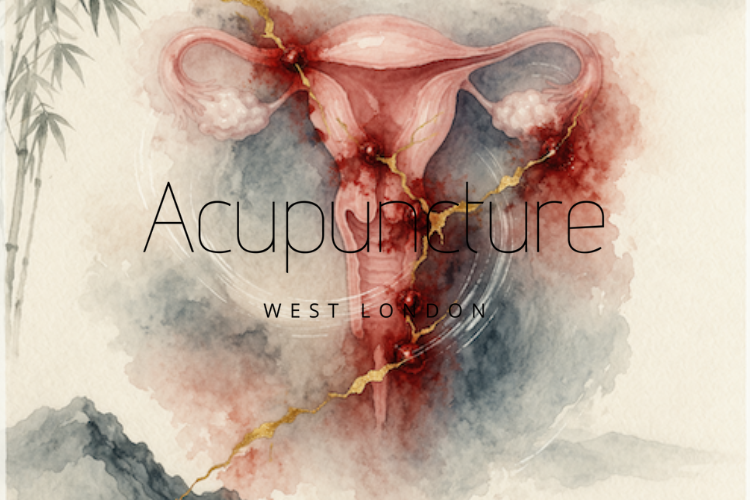
Chinese medicine, and particularly acupuncture, approaches this from a fundamentally different starting point. Not as an alternative to medical care, but as a system that takes pain seriously from the outset.
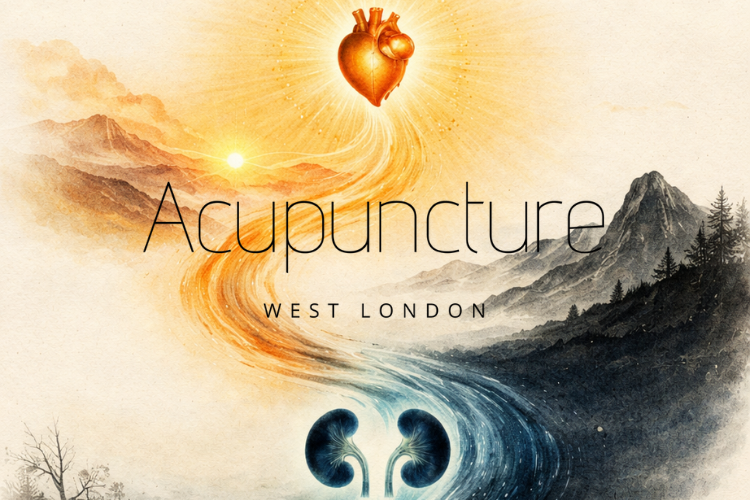
If the Heart is the Emperor who governs the realm, the Kidneys are the ancestral treasury and waterways that sustain the entire kingdom from below.

Today is Jīngzhé 惊蛰, also known as Awakening Insects. Jīngzhé is the third solar term. It occurs annually around March 7th and signals a rise in temperature and increased rainfall.
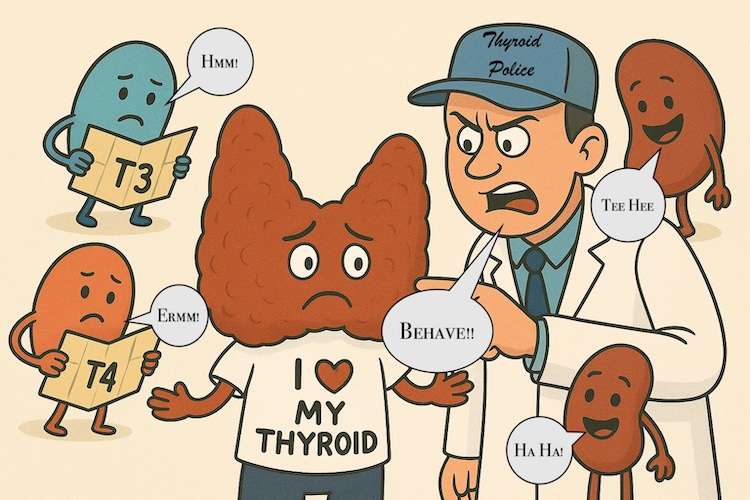
In the diagnosis and treatment of thyroid dysfunction, proper testing is essential, but an integrative and personalised approach to treatment will yield the best results.

On October 8th, we entered the period of Hánlù, also known as 'Cold Dew'. Hánlù is the 17th solar term, which occurs annually around October 8th and marks a pivotal moment in the transition from the vibrant hues of...
To many raised in the Western medical tradition, Chinese medicine can seem like a blend of poetic metaphors, vague energies, and mystical ideas. But that perception says more about the lens we’re looking through than the subject itself.

In Chinese medicine and Taoist philosophy, the Heart is the Emperor—the sovereign who rules the kingdom of body and mind.

The National Institute for Health and Care Excellence (NICE) is the UK body responsible for evaluating which treatments are safe, effective, and cost-efficient for use within the NHS—including acupuncture.