

As the longest day and shortest night of the year, Summer Solstice, also known as Xiàzhì, is significant across cultures and throughout history. It symbolises the transition from spring to summer, marking the arrival of a season filled with...
As the longest day and shortest night of the year, Summer Solstice, also known as Xiàzhì, is significant across cultures and throughout history. It symbolises the transition from spring to summer, marking the arrival of a season filled with...

Today (June 7th) is Mángzhòng 芒种, also known as 'Grain In Ear'. Mángzhòng is the ninth solar term, which occurs annually c. June 7th. It signifies the period when crops, especially grain crops like wheat and barley, enter the...

Today is Jīngzhé 惊蛰, also known as Awakening Insects. Jīngzhé is the third solar term. It occurs annually around March 7th and signals a rise in temperature and increased rainfall.

On October 8th, we entered the period of Hánlù, also known as 'Cold Dew'. Hánlù is the 17th solar term, which occurs annually around October 8th and marks a pivotal moment in the transition from the vibrant hues of...
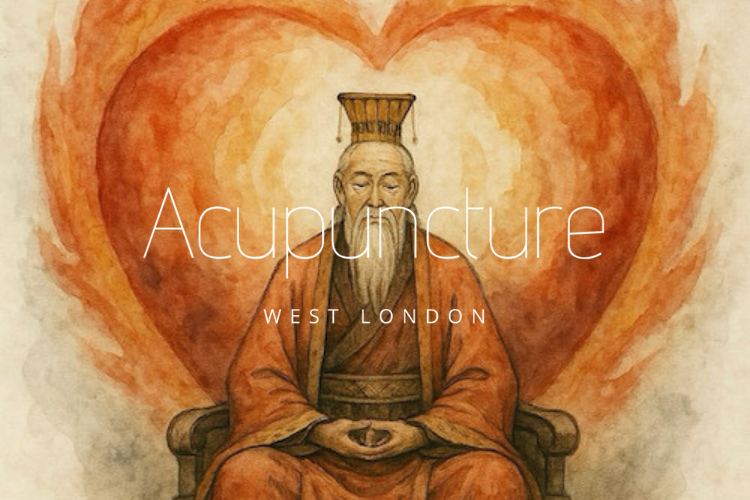
In Chinese medicine and Taoist philosophy, the Heart is the Emperor—the sovereign who rules the kingdom of body and mind.

The National Institute for Health and Care Excellence (NICE) is the UK body responsible for evaluating which treatments are safe, effective, and cost-efficient for use within the NHS—including acupuncture.

We’re very excited to share that Acupuncture South Downs, our brand-new sister clinic is now open in Liphook, Hampshire GU30.
The universe moves in cycles of balance and transformation, reflected in the Four Directions and the Four Phases. These cycles represent the natural flow of energy within both the human body and the wider natural world.

Today, we enter the period of Qīngmíng, also known as 'Bright and Clear'. Qīngmíng is the fifth solar term, which occurs annually on April 6th. It denotes Qingming Festival—also known as 'Tomb Sweeping Day' or 'Pure Brightness' Festival.

On December 21st, we entered the period of Dōngzhì 冬至, also known as 'Winter Solstice'. Dōngzhì is the 21st solar term, which occurs annually around December 21st and symbolises the zenith of Yin energy as daylight reaches its minimum...